
Hiring for Impact: How to Build a Workforce That Moves Strategy Forward
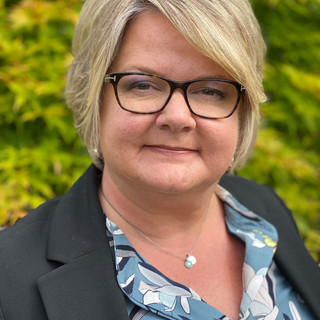
- Andrea Lucky
- Mar 30
- 3 min read

Most organizations say their people are their greatest asset. But when hiring decisions are rushed, reactive, or disconnected from strategy, even the most talented workforce can struggle to deliver meaningful results. The truth is simple: hiring isn’t about filling seats, it’s about building the capability to move the business forward.
In a landscape where expectations are rising and resources are tight; leaders can no longer afford to hire for activity. They must hire for impact.
The Problem: Too Many Teams Hire for Today’s Workload
When hiring is driven by immediate pain points; a vacancy, a backlog, a stressed team, organizations default to filling gaps rather than building strength. This leads to predictable outcomes:
Roles shaped around tasks, not outcomes
Teams that are busy but not effective
Leaders who inherit talent mismatches they didn’t create
Employees who feel unclear about expectations
Strategy that stalls because the workforce isn’t built to support it
Hiring for impact requires a different lens, one that starts with the future, not the present.
Impact Hiring Starts with Strategic Clarity
Before posting a job, leaders should be able to answer three foundational questions:
What strategic outcomes must this role drive in the next 12–24 months?
What capabilities, not just skills, are required to deliver those outcomes?
How will success be measured in a way that is visible and meaningful?
When leaders can articulate this, hiring becomes intentional. When they can’t, hiring becomes guesswork.
The Shift: From Job Descriptions to Capability Profiles
Traditional job descriptions focus on tasks. Impact‑driven hiring focuses on capabilities, the behaviors, decision‑making patterns, and leadership qualities that enable someone to deliver results in a dynamic environment.
High‑impact capability profiles include elements like:
Strategic thinking: Can this person see beyond their lane?
Systems awareness: Do they understand how their work affects the whole?
Decision confidence: Can they move work forward without constant escalation?
Adaptability: Can they navigate ambiguity without losing momentum?
Leadership at every level: Do they elevate others, not just themselves?
These are the qualities that move strategy from PowerPoint to practice.
Hiring for Impact Requires Stronger Manager Involvement
Managers are often brought into the hiring process too late, after the job is posted, after the candidates are screened, after the decision is nearly made. But managers are the ones who feel the consequences of a mis-hire most acutely.
High‑impact organizations involve managers early and equip them with:
Clear role outcomes
Interview guides aligned to capability profiles
Behavioral questions that reveal how candidates think
A shared definition of what “great” looks like
When managers hire with clarity, teams perform with confidence.
Culture Fit Isn’t Enough, Culture Contribution Matters More
Hiring for impact means looking beyond whether someone “fits” the culture. The real question is: How will this person strengthen the culture we’re building?
Impact hires:
Bring new perspectives that elevate team thinking
Model the behaviors the organization wants to scale
Strengthen accountability, communication, and trust
Help the team operate more effectively, not just more efficiently
Culture‑add hiring is a strategic advantage and a safeguard against stagnation.
The Bottom Line
Hiring for impact is not a luxury. It’s a leadership discipline.
Organizations that hire intentionally: with clarity, capability, and culture contribution in mind; build workforces that don’t just execute tasks. They advance strategy. They strengthen culture. They create momentum.
In a world where every hire matters, the question isn’t “Who can do the job?” It’s “Who will move the organization forward?”
About the Author
Andrea Lucky is the CEO | Founder of Silver Fern HR Consulting, a firm dedicated to transforming workplace cultures and driving strategic growth. With deep expertise in organizational transformation, talent strategy, and leadership development, Andrea partners with companies to align their people operations with their vision and business goals.
Known for her ability to shape cultures that inspire engagement and innovation, Andrea helps organizations navigate change, strengthen leadership effectiveness, and build workplaces that empower employees at every level. Her experience spans industries, with a strong focus on helping businesses create sustainable talent strategies that support long-term success.
With a keen eye for aligning strategy with impact, Andrea guides organizations in translating bold visions into actionable workforce solutions. Whether leading complex transformations or refining leadership frameworks, she is passionate about driving meaningful change that positions companies for lasting success.
Follow Andrea for insights on workplace culture, leadership, and the future of people strategy.


Comments