
Leadership Bench Strength: Your Most Undervalued Asset

Most organizations talk about leadership as if it lives only at the top. The CEO. The executive team. The people with titles, authority, and decision‑making power.
But the real differentiator, the thing that determines whether an organization can grow, adapt, and sustain performance is not the leader at the top. It’s the bench behind them.
Leadership bench strength is one of the most undervalued assets in business today. It is also one of the most accurate predictors of long‑term success.
Organizations with strong bench strength move faster, communicate better, and navigate change with far less disruption. Organizations without it rely on a handful of overextended leaders, burn out their best people, and struggle to execute even the most basic priorities.
Bench strength is not a luxury. It is a stability strategy.
Why Bench Strength Matters More Than You Think
Leadership bench strength is the depth, readiness, and capability of the people who can step up, step in, and lead when needed. It is the difference between a team that collapses when one person leaves and a team that continues to perform because leadership is distributed, not concentrated.
Here’s what happens when bench strength is weak:
Decisions bottleneck at the top.
Managers operate in survival mode instead of strategic mode.
High performers become over‑functioners.
Burnout spreads because too few people carry too much weight.
Succession planning becomes reactive instead of intentional.
The organization becomes dependent on personalities instead of systems.
And here’s what happens when bench strength is strong:
Leaders delegate effectively because they trust the people around them.
Teams operate with clarity and confidence.
Change is absorbed instead of resisted.
Talent grows from within instead of being chased from outside.
The organization becomes resilient, not fragile.
Bench strength is not about having “backups.” It’s about having capacity, capability, and continuity.
The Hidden Cost of Underdeveloped Leaders
Many organizations unintentionally create leadership gaps by:
promoting high performers without developing them
rewarding individual output instead of leadership behaviors
avoiding difficult conversations that would strengthen capability
hoarding decision‑making at the top
failing to coach, mentor, or invest in emerging leaders
assuming people will “figure it out” on their own
The result is predictable: A small group of leaders becomes overwhelmed, while the rest of the organization waits for direction.
This is not a talent problem. It is a system problem.
Bench Strength Is Built, Not Hired
You cannot hire your way out of weak leadership capacity. You build it through intentional, consistent development.
Strong organizations invest in:
1. Leadership clarity
Clear expectations for what leadership looks like, not just what leaders do, but how they behave.
2. Coaching and feedback
Regular, developmental conversations that build capability instead of waiting for performance issues to appear.
3. Delegation and trust
Leaders who share responsibility instead of hoarding it, and who grow others instead of protecting their own workload.
4. Exposure and stretch opportunities
Letting emerging leaders run meetings, lead projects, and make decisions with support.
5. Succession planning that is real
Not a spreadsheet exercise, but an ongoing practice of preparing people for what’s next.
Bench strength is not built in a workshop. It is built in the everyday moments where leaders choose to develop others instead of doing everything themselves.
The CEO Sets the Tone
Bench strength is a leadership responsibility, not an HR initiative. HR can support, guide, and equip. But the CEO determines whether leadership development is a priority or an afterthought.
If the CEO models coaching, delegation, and development, the organization follows. If the CEO hoards decisions, avoids accountability, or tolerates inconsistent leadership behavior, the organization follows that too.
Bench strength reflects leadership choices at the top.
Your Most Undervalued Asset
Leadership bench strength is not glamorous. It does not show up on a dashboard. It does not create instant results.
But it is the foundation of:
resilience
retention
execution
culture
succession
strategic capacity
When your bench is strong, your organization becomes strong. When your bench is thin, everything becomes fragile.
If you want a healthier, more capable, more future‑ready organization, start here.
Your bench is your advantage. Treat it like the asset it is.
About the Author
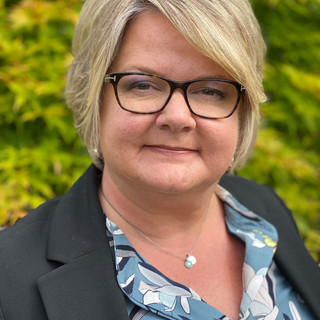
Andrea Lucky is the CEO | Founder of Silver Fern HR Consulting, a firm dedicated to transforming workplace cultures and driving strategic growth. With deep expertise in organizational transformation, talent strategy, and leadership development, Andrea partners with companies to align their people operations with their vision and business goals.
Known for her ability to shape cultures that inspire engagement and innovation, Andrea helps organizations navigate change, strengthen leadership effectiveness, and build workplaces that empower employees at every level. Her experience spans industries, with a strong focus on helping businesses create sustainable talent strategies that support long-term success.
With a keen eye for aligning strategy with impact, Andrea guides organizations in translating bold visions into actionable workforce solutions. Whether leading complex transformations or refining leadership frameworks, she is passionate about driving meaningful change that positions companies for lasting success.


Comments