
When Leaders Avoid Hard Decisions, Everyone Pays for It

Every organization has them: the employees who are kind, loyal, well‑intentioned… and simply not able to perform at the level the role requires.
They are not bad people. They are not trying to cause harm. But the work still isn’t getting done.
And when leaders avoid addressing that reality, the consequences ripple far beyond one person’s performance.
This isn’t about being punitive. It’s about being responsible.
The Pattern I See Over and Over
Here’s what happens inside organizations when underperformance goes unaddressed:
The supervisor quietly absorbs the work because they cannot rely on the employee.
High performers stretch themselves thin to compensate.
Projects slow down or stall entirely.
The team loses trust in leadership’s willingness to address issues.
The underperformer becomes more overwhelmed, not more capable.
Burnout spreads because the load is unevenly distributed.
No one wins in this scenario, not the leader, not the team, and certainly not the employee who is struggling.
Avoidance feels kind in the moment, but it creates long‑term harm.
The Two Paths Organizations Usually Choose
When leaders refuse to make the hard decisions, they end up with only two options:
1. Keep the underperformers and over‑hire to compensate
This is incredibly common. Instead of addressing capability gaps, organizations add more headcount to “cover” the work.
The result?
inflated payroll
unclear roles
duplicated effort
frustrated high performers
a culture where performance doesn’t matter
This is not sustainable. It’s also not fair to the people who are carrying the weight.
2. Do what is difficult but necessary for the health of the organization
This does not mean firing everyone who struggles. It means:
clarifying expectations
coaching with intention
documenting patterns
offering support and development
making role adjustments when appropriate
and, when all else fails, making a respectful, humane decision to part ways
This is leadership. Not because it is easy, but because it is responsible.
Being “Nice” Is Not the Same as Being Fair
Many leaders avoid addressing underperformance because the person is “nice.”
But here’s the truth:
Being nice to one person should not require being unfair to everyone else.
Fairness means:
the work gets done
expectations are clear
accountability is consistent
high performers are protected
struggling employees get honest feedback and support
Kindness without clarity is not kindness. It’s avoidance dressed up as compassion.
The Hardest Part for Leaders
Most leaders know what needs to happen long before they act. The hesitation usually comes from:
fear of conflict
fear of hurting someone’s feelings
fear of being seen as “mean”
fear of legal risk
fear of making the wrong call
But here’s the reality: Not making a decision is still a decision. It often creates more harm than the action leaders are trying to avoid.
A Healthier, More Humane Approach
You can address underperformance without being punitive. You can make hard decisions without being harsh. You can protect your team without losing your humanity.
A healthy approach includes:
clear expectations
consistent feedback
documented coaching
role clarity
honest conversations
support and development
timely decisions
dignity and respect at every step
This is not about “firing fast.” It’s about leading responsibly.
The Greater Good Matters
When leaders avoid the hard decisions, the organization becomes fragile. When leaders face them with clarity and compassion, the organization becomes strong.
The goal is not to remove people. The goal is to ensure that:
the work gets done
the team is supported
the culture is healthy
the organization can grow
and every employee is set up for success, whether that is in their current role or somewhere else
This is the work of leadership. And it is worth doing well.
About the Author
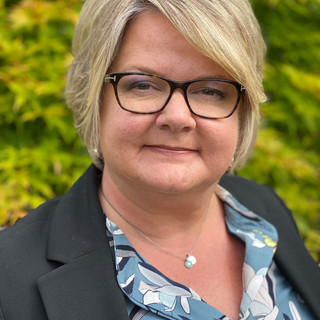
Andrea Lucky is the CEO | Founder of Silver Fern HR Consulting, a firm dedicated to transforming workplace cultures and driving strategic growth. With deep expertise in organizational transformation, talent strategy, and leadership development, Andrea partners with companies to align their people operations with their vision and business goals.
Known for her ability to shape cultures that inspire engagement and innovation, Andrea helps organizations navigate change, strengthen leadership effectiveness, and build workplaces that empower employees at every level. Her experience spans industries, with a strong focus on helping businesses create sustainable talent strategies that support long-term success.
With a keen eye for aligning strategy with impact, Andrea guides organizations in translating bold visions into actionable workforce solutions. Whether leading complex transformations or refining leadership frameworks, she is passionate about driving meaningful change that positions companies for lasting success.


Comments