
Memorial Day: A Leadership Moment HR Wishes More Leaders Would Use Well

For Leaders Who Want to Honor the Day with Intention and Lead Their People with Care
Memorial Day is often treated as the unofficial start of summer; a long weekend, a chance to unplug, a moment to reset. But for many employees, it carries a weight that leaders don’t always see. It’s a day of remembrance, reflection, and in some cases, grief. And while Memorial Day is not about all veterans, it is deeply felt by many who have served, by military families, and by those who have lost someone who did.
For HR, Memorial Day is one of those cultural touchpoints that reveals a lot about leadership awareness. How leaders acknowledge the day, or don’t, sends a message about empathy, presence, and cultural intelligence.
This article offers a grounded, human-centered lens for leaders who want to honor Memorial Day respectfully while supporting their teams in meaningful ways.
1. Start With Respect, Not Performance
Employees don’t need a scripted message or a patriotic graphic. They need sincerity.
Leaders can acknowledge the day by:
Recognizing its purpose: honoring those who died in military service
Keeping the tone grounded, not celebratory
Avoiding clichés or overly casual language
Remembering that for some, this day is personal
Leadership takeaway: A simple, thoughtful acknowledgment is more powerful than a polished statement.
2. Understand That Not Everyone Experiences the Day the Same Way
Memorial Day can evoke:
Pride
Grief
Gratitude
Complicated emotions
No emotion at all
Leaders don’t need to assume or interpret; they simply need to create space for people to experience the day in their own way.
Leadership takeaway: Respect the diversity of experiences without making assumptions.
3. Support Employees with Military Connections Without Singling Them Out
Many leaders unintentionally put employees in uncomfortable positions by:
Asking them to speak on behalf of all service members
Assuming they want to share personal stories
Treating all military-related holidays the same
Instead, leaders can:
Offer space, not pressure
Check in privately if appropriate
Ensure employees feel supported, not spotlighted
Leadership takeaway: Honor the day without placing emotional labor on employees.
4. Model Healthy Boundaries for the Long Weekend
Memorial Day is often one of the most violated holidays in corporate America. Leaders say “enjoy the long weekend” and then send emails all Monday.
If leaders want to support well-being:
Don’t send work communications on the holiday
Encourage teams to truly disconnect
Plan ahead so no one feels obligated to “stay available”
Leadership takeaway: Your behavior sets the tone for whether people actually rest.
5. Use the Week After as a Leadership Reset
Memorial Day marks a natural midpoint in the year; a moment to pause and recalibrate.
Leaders can use the week after to:
Reconnect with their teams
Reassess priorities
Address workload issues
Clarify expectations heading into summer
Reinforce cultural norms around communication and boundaries
Leadership takeaway: Treat Memorial Day as a leadership checkpoint, not just a day off.
6. Remember That Culture Is Built in the Small Moments
How leaders acknowledge meaningful days, not just the big ones, shapes trust.
Employees notice when leaders:
Show empathy
Communicate with intention
Honor the significance of the day
Avoid performative gestures
Create space for people to be human
Leadership takeaway: Memorial Day is an opportunity to lead with humility and presence.
A Final Thought for Leaders
Memorial Day is not a celebration; it’s a moment of remembrance. And while leaders don’t need to deliver a speech or host an event, they do have an opportunity to model respect, humanity, and awareness.
Because leadership isn’t just about strategy and execution. It’s about how you show up in the moments that matter.
About the Author
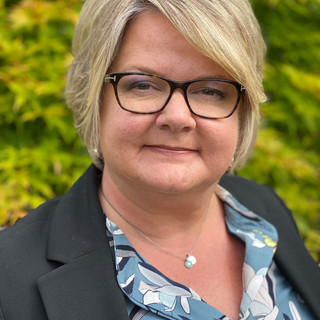
Andrea Lucky is the CEO | Founder of Silver Fern HR Consulting, a firm dedicated to transforming workplace cultures and driving strategic growth. With deep expertise in organizational transformation, talent strategy, and leadership development, Andrea partners with companies to align their people operations with their vision and business goals.
Known for her ability to shape cultures that inspire engagement and innovation, Andrea helps organizations navigate change, strengthen leadership effectiveness, and build workplaces that empower employees at every level. Her experience spans industries, with a strong focus on helping businesses create sustainable talent strategies that support long-term success.
With a keen eye for aligning strategy with impact, Andrea guides organizations in translating bold visions into actionable workforce solutions. Whether leading complex transformations or refining leadership frameworks, she is passionate about driving meaningful change that positions companies for lasting success.


Comments