
What Are the Cultural Risks I'm Not Seeing?

For Leaders Who Want Fewer Surprises and Stronger Organizations
The most dangerous cultural risks in any organization are the ones leaders don’t see, or don’t believe could exist in their company. Not because leaders are careless, but because culture hides in the quiet spaces: the unspoken norms, the tolerated behaviors, the workarounds, the stories employees tell each other when leaders aren’t in the room.
By the time a cultural risk becomes visible, it’s usually already expensive: in turnover, disengagement, rework, missed opportunities, or reputational damage.
This article helps leaders surface the cultural risks that stay invisible the longest.
The “We’re Fine” Illusion
When teams say everything is fine, leaders often take it at face value. But “fine” is rarely a real cultural indicator. It’s a placeholder for:
"I don't feel safe telling the truth."
"I've given up trying to fix this."
"I don't think anything will change."
Risk: Leaders assume stability when the culture is actually in quiet decline.
What to look for:
Low upward feedback
Polite but shallow conversations
Leaders who are "surprised" by turnover
The Accountability Gap
Most organizations believe they have accountability. Few actually do.
A true accountability culture is consistent, predictable, and fair. A risky one is selective, personality-driven, or dependent on who has influence.
Risk: Employees learn that expectations are optional; or worse, political.
What to look for:
High performers carrying low performers
Leaders avoiding hard conversations
"We don't want to upset them" decision patterns
The Culture of Workarounds
Workarounds are cultural smoke signals. They tell you where processes are broken, where communication is unclear, or where leaders are out of sync.
Risk: Workarounds become the culture and the organization becomes dependent on heroics instead of systems.
What to look for:
Employees creating their own tools or processes
"Just as Sarah, she knows how to do it"
Leaders surprised by how work actually gets done
The Leadership Shadow
Every leader casts a shadow; the behaviors they model, tolerate, or ignore. Employees watch leaders more closely than leaders realize.
Risk: Leaders unintentionally reinforce the very behaviors they’re trying to eliminate.
What to look for:
Leaders who say "collaboration" but reward individual heroics
Leaders who say "innovation" but punish risk
Leaders who say "transparency" but share selectively
The Misalignment Between Stated Values and Lived Experience
Values on the wall are not culture. Values in action are.
When employees experience a gap between what leaders say and what leaders do, trust erodes quietly but quickly.
Risk: Cynicism becomes the default operating system.
What to look for:
Values that only show up during onboarding
Employees rolling their eyes at value statements
Leaders who can't give examples of values in practice
The “Too Busy to Notice” Trap
When organizations move fast, cultural risks multiply. Not because speed is bad, but because speed without reflection creates blind spots.
Risk: Leaders unintentionally normalize burnout, reactivity, and short-term thinking.
What to look for:
Constant urgency
Leaders who skip 1:1s
Teams who can't articulate priorities
The Silence Around Power Dynamics
Power dynamics exist in every organization. Healthy cultures acknowledge them. Risky cultures pretend they don’t.
Risk: Employees self-censor, leaders get filtered information, and real issues stay hidden.
What to look for:
Employees who only speak freely with peers
Leaders who rarely receive pushback
Decisions made in hallways, not meetings
So… How Do Leaders Surface the Risks They Can’t See?
Here are the practices that consistently reveal what’s really happening beneath the surface:
Ask better questions. Not “How’s everything going?” but “What’s one thing we’re tolerating that we shouldn’t be?”
Listen for what’s not being said. Silence is data.
Look for patterns, not incidents. One complaint is a data point. Three is a trend.
Invite dissent. Healthy cultures make it safe to disagree with leaders.
Audit your leadership shadow. What you model becomes the culture whether you intend it or not.
Check alignment regularly. Values, behaviors, systems, and incentives must point in the same direction.
The Real Question for 2026 Leaders
“What cultural risks am I not seeing and who around me already sees them?”
Your employees know where the cracks are. Your culture is already telling you what needs attention. Your job is to create the conditions where the truth can surface early, safely, and consistently.
Because the biggest cultural risks aren’t the loud ones. They’re the quiet ones leaders never ask about.
About the Author
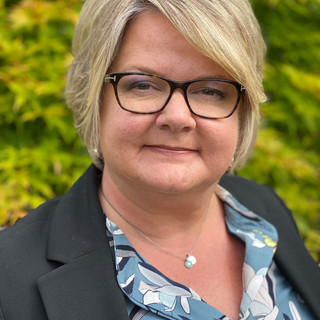
Andrea Lucky is the CEO | Founder of Silver Fern HR Consulting, a firm dedicated to transforming workplace cultures and driving strategic growth. With deep expertise in organizational transformation, talent strategy, and leadership development, Andrea partners with companies to align their people operations with their vision and business goals.
Known for her ability to shape cultures that inspire engagement and innovation, Andrea helps organizations navigate change, strengthen leadership effectiveness, and build workplaces that empower employees at every level. Her experience spans industries, with a strong focus on helping businesses create sustainable talent strategies that support long-term success.
With a keen eye for aligning strategy with impact, Andrea guides organizations in translating bold visions into actionable workforce solutions. Whether leading complex transformations or refining leadership frameworks, she is passionate about driving meaningful change that positions companies for lasting success.


Comments