
Optimizing Workforce Planning Strategies for Success
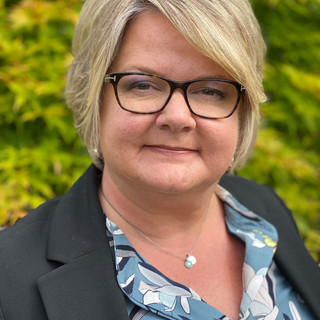
- Andrea Lucky
- Aug 17
- 5 min read
In today’s fast-paced business environment, optimizing workforce planning strategies is not just a necessity;
it’s a critical driver of success. As organizations grow or face change, having a clear, adaptable plan for managing talent can make all the difference. I’ve seen firsthand how thoughtful workforce planning transforms challenges into opportunities, helping businesses unlock their full potential. This post will guide you through practical steps and insights to refine your workforce strategies, ensuring your team is ready to meet tomorrow’s demands with confidence.
Understanding Workforce Planning Strategies
Workforce planning strategies are the backbone of effective human resource management. They involve forecasting future talent needs, assessing current capabilities, and aligning workforce supply with business goals. When done well, these strategies help prevent talent shortages, reduce turnover, and improve overall productivity.
To start, it’s essential to analyze your current workforce. Ask yourself:
What skills and roles are critical to your business success?
Where are the gaps or surpluses in talent?
How might upcoming changes in the market or technology affect your workforce needs?
By answering these questions, you create a foundation for strategic decision-making. For example, if you anticipate growth in a particular department, you can proactively recruit or train employees to fill those roles. Conversely, if automation is expected to reduce certain tasks, you can plan for reskilling or redeployment.
Another key element is flexibility. Workforce planning strategies should not be rigid. Instead, they must adapt to shifting business priorities and external factors. This means regularly reviewing and updating your plans, involving key stakeholders, and using data-driven insights to guide your actions.

Key Components of Effective Workforce Planning Strategies
To optimize your workforce planning strategies, focus on these core components:
Workforce Analysis
Conduct a thorough assessment of your current workforce. Identify skills, experience levels, and performance metrics. Use this data to map out strengths and weaknesses.
Demand Forecasting
Predict future workforce needs based on business goals, market trends, and technological advancements. This helps you anticipate hiring, training, or restructuring requirements.
Gap Analysis
Compare your current workforce capabilities with future needs. Highlight areas where you need to hire, train, or reassign employees.
Action Planning
Develop clear, actionable steps to address identified gaps. This might include recruitment campaigns, learning and development programs, or succession planning.
Monitoring and Evaluation
Continuously track progress against your workforce plan. Use key performance indicators (KPIs) to measure success and make adjustments as needed.
By integrating these components, you create a dynamic workforce plan that supports your business’s evolving needs. For instance, a company expanding into new markets might prioritize hiring multilingual staff and cross-cultural training. Meanwhile, a tech firm facing rapid innovation may focus on upskilling existing employees to keep pace.
What is SWP in HR?
SWP, or Strategic Workforce Planning, is a systematic approach to aligning an organization’s human capital with its long-term objectives. It goes beyond traditional HR planning by incorporating business strategy, market analysis, and predictive analytics.
At its core, SWP in HR involves:
Identifying future workforce requirements based on strategic goals.
Analyzing internal and external labor market trends to anticipate challenges.
Developing talent pipelines to ensure a steady flow of qualified candidates.
Implementing workforce optimization initiatives such as flexible work arrangements or diversity programs.
One practical example is a retail company using SWP to prepare for seasonal demand spikes. By forecasting staffing needs months in advance, they can hire temporary workers efficiently and train them quickly, ensuring smooth operations during peak periods.
Another example is a manufacturing firm leveraging SWP to address an aging workforce. Through succession planning and targeted recruitment, they secure critical skills before retirements impact productivity.
Strategic workforce planning is not a one-time project but an ongoing process that requires collaboration across departments. It empowers HR professionals and business leaders to make informed decisions that balance cost, quality, and agility.
Leveraging Strategic Workforce Planning Services
To truly optimize workforce strategies, many organizations turn to strategic workforce planning services. These services provide expert guidance, tools, and frameworks to streamline the planning process.
Engaging with such services offers several benefits:
Access to specialized expertise in workforce analytics and forecasting.
Customized solutions tailored to your industry and business model.
Technology integration for real-time data tracking and scenario modeling.
Change management support to ensure smooth implementation of workforce initiatives.
For example, a mid-sized company undergoing rapid expansion might partner with a strategic workforce planning service to design a scalable talent acquisition strategy. This collaboration can help them avoid common pitfalls like over-hiring or skill mismatches.
Moreover, these services often bring a fresh perspective, challenging assumptions and uncovering hidden opportunities. They help you build a resilient workforce that can adapt to market shifts and competitive pressures.

Practical Tips to Enhance Your Workforce Planning
Optimizing workforce planning strategies requires deliberate action. Here are some practical tips to get started:
Engage leadership early: Ensure executives understand the value of workforce planning and support its integration into business strategy.
Use data wisely: Collect accurate workforce data and leverage analytics to identify trends and forecast needs.
Focus on skills development: Invest in training programs that align with future business demands.
Promote internal mobility: Encourage employees to take on new roles or projects to build versatility.
Plan for contingencies: Develop backup plans for unexpected events like economic downturns or talent shortages.
Communicate transparently: Keep your workforce informed about changes and opportunities to foster trust and engagement.
By applying these tips, you create a proactive culture that values continuous improvement and agility. For instance, regular skills assessments can reveal emerging gaps, allowing you to address them before they impact performance.
Building a Workforce Ready for the Future
The future of work is dynamic and often unpredictable. To thrive, businesses must cultivate workforce planning strategies that are both strategic and human-centered. This means balancing data-driven insights with empathy and flexibility.
I encourage you to view workforce planning as a journey rather than a destination. It’s about building relationships, nurturing talent, and aligning people with purpose. When you invest in your workforce thoughtfully, you create a foundation for sustainable success.
Remember, optimizing workforce strategies is not just about filling roles. It’s about empowering individuals to grow, innovate, and contribute meaningfully. With the right approach, your workforce becomes your greatest asset in navigating growth, transition, or change.
By embracing these principles and leveraging available resources, you can confidently shape a workforce that meets today’s challenges and seizes tomorrow’s opportunities.
About the Author
Andrea Lucky is the CEO and Founder of Silver Fern HR Consulting, where she helps CEOs eliminate organizational friction, strengthen leadership alignment, and build people systems that support sustainable growth. As a strategic advisor, Andrea partners with executive teams to create clarity, consistency, and operating rhythms that accelerate performance and reduce the chaos that slows businesses down.
Andrea is known for her ability to translate complex organizational challenges into practical, actionable solutions. Her work focuses on aligning leaders, clarifying expectations, and designing people systems that make businesses easier to run; whether through strategic advisory or a fractional HR team‑based model that delivers high‑quality execution without adding internal overhead.
With deep experience across industries and a passion for helping organizations scale with confidence, Andrea guides leaders in building the structure, clarity, and leadership consistency required for long‑term success.


Comments