
The Real Reason Your Team Keeps Losing Momentum

Momentum is one of the most valuable assets inside any organization. When a team has momentum, work feels lighter, decisions move faster, and progress compounds. But when momentum fades, everything becomes harder, even simple tasks feel heavy.
Most leaders assume momentum is emotional: people aren’t motivated, engaged, or energized. But momentum is rarely about emotion. It’s about clarity.
Momentum breaks down when teams don’t know exactly what matters, how decisions get made, or what “good” looks like. Once momentum slips, leaders often respond with more meetings, more reminders, or more pressure which only accelerates the drag.
Where Momentum Actually Breaks Down
Momentum erodes in predictable places:
Unclear priorities — Teams don’t know what to focus on, so they spin.
Leadership drift — Managers interpret expectations differently.
Decision bottlenecks — Work slows because authority isn’t clear.
Constant context‑switching — People jump between tasks without finishing anything.
Lack of operating rhythm — Teams don’t have a predictable cadence to stay aligned.
These aren’t motivation issues. They’re system issues.
The Cost of Lost Momentum
When momentum fades, the business pays for it:
Projects stall
Leaders spend more time firefighting
Employees feel overwhelmed
Customers feel inconsistency
Growth slows
Momentum is a performance multiplier and losing it is expensive.
How to Rebuild Momentum
Momentum returns when clarity returns.
Re‑establish the top 3 priorities
Clarify decision rights
Align leaders on expectations
Create a monthly operating rhythm
Reduce context‑switching by sequencing work
Momentum isn’t magic, it’s structure.
Leadership Insight
Momentum isn’t created by motivation. It’s created by clarity, consistency, and aligned leadership.
Want to Improve Team Momentum?
If your team has lost momentum, it’s not a motivation issue, it’s a clarity issue. I help CEOs rebuild alignment, reduce friction, and restore organizational speed. Reach out to me to get the conversation started.
About the Author
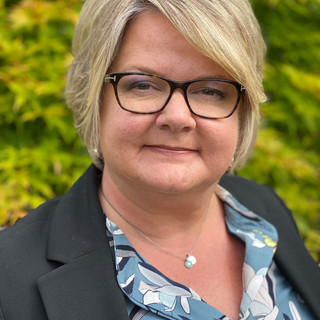
Andrea Lucky is the CEO and Founder of Silver Fern HR Consulting, where she helps CEOs eliminate organizational friction, strengthen leadership alignment, and build people systems that support sustainable growth. As a strategic advisor, Andrea partners with executive teams to create clarity, consistency, and operating rhythms that accelerate performance and reduce the chaos that slows businesses down.
Andrea is known for her ability to translate complex organizational challenges into practical, actionable solutions. Her work focuses on aligning leaders, clarifying expectations, and designing people systems that make businesses easier to run; whether through strategic advisory or a fractional HR team‑based model that delivers high‑quality execution without adding internal overhead.
With deep experience across industries and a passion for helping organizations scale with confidence, Andrea guides leaders in building the structure, clarity, and leadership consistency required for long‑term success.


Comments