
The Workforce Forecast: What CFOs Should Expect in 2026

The workforce landscape is shifting faster than many executive teams can keep up with and CFO's are feeling the pressure. Labor remains the largest expense on the P&L for most organizations, yet it’s also the greatest source of competitive advantage when managed strategically. In 2026, the organizations that win will be those whose CFO's understand the emerging workforce dynamics and partner closely with HR to align talent, capability, and cost structure with business goals. This year’s workforce forecast isn’t about predicting the future, it’s about preparing for it.
Wage growth is stabilizing but not flattening. CFOs should expect:
Higher premiums for technical, analytical, and leadership roles
Increased competition for frontline and skilled‑trade talent
Greater pressure to justify pay equity and internal compression
The takeaway: labor budgeting must shift from “across‑the‑board” thinking to strategic allocation based on capability needs and business priorities.
Static job descriptions are becoming obsolete. CFOs will see more requests for:
Skill‑based hiring
Skill‑based pay structures
Internal mobility programs that redeploy talent instead of replacing it
This shift reduces hiring costs and increases agility, but only if finance and HR build a shared framework for valuing skills.
Turnover remains costly, especially in small and mid‑size organizations. In 2026, CFOs should expect:
Higher costs associated with regrettable loss
Increased pressure to invest in manager capability
Greater ROI from development and career‑pathing programs
Retention is no longer about perks, it’s about leadership quality, workload sustainability, and clarity of expectations.
The debate about remote vs. in‑office is fading. What’s emerging is a more sophisticated question: How do we design work to maximize performance, collaboration, and well‑being?
CFOs should anticipate investments in:
Digital collaboration tools
Team‑based norms and operating agreements
Space planning that reflects actual work patterns
The goal is no longer presence; it’s productivity and alignment.
Many organizations are facing a leadership bench that isn’t ready for what’s next. CFOs can expect:
Increased demand for leadership development
Higher costs associated with external leadership hires
Greater risk exposure when succession plans are weak
Leadership capability is becoming a core financial risk factor, not a soft‑skills issue.
Employees expect rewards that reflect their life stage, values, and needs. CFOs will see:
More modular benefits offerings
Increased focus on well‑being and mental health
Greater scrutiny of incentive plans and line‑of‑sight metrics
The organizations that thrive will design total rewards that reinforce, not contradict, their business strategy.
7. Culture Will Become a Measurable Business Asset
CFOs are increasingly being asked to quantify culture’s impact on performance. Expect:
More culture‑related KPIs tied to productivity, retention, and customer outcomes
Greater investment in manager capability and communication
Stronger alignment between values, behaviors, and operational decisions
Culture is no longer intangible; it’s a predictor of execution quality.
The Bottom Line
2026 will reward CFOs who treat workforce strategy as business strategy. The labor market is evolving, employee expectations are shifting, and capability gaps are widening. But with the right partnership between Finance and HR, organizations can build a workforce that is aligned, agile, and ready for what’s ahead. The companies that win won’t be the ones that spend the most on talent, they’ll be the ones that invest the smartest.
About the Author
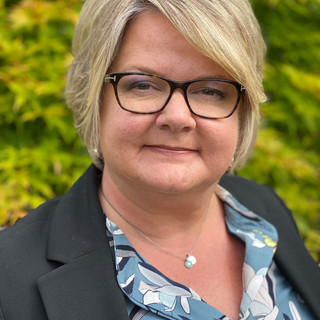
Andrea Lucky is the CEO | Founder of Silver Fern HR Consulting, a firm dedicated to transforming workplace cultures and driving strategic growth. With deep expertise in organizational transformation, talent strategy, and leadership development, Andrea partners with companies to align their people operations with their vision and business goals.
Known for her ability to shape cultures that inspire engagement and innovation, Andrea helps organizations navigate change, strengthen leadership effectiveness, and build workplaces that empower employees at every level. Her experience spans industries, with a strong focus on helping businesses create sustainable talent strategies that support long-term success.
With a keen eye for aligning strategy with impact, Andrea guides organizations in translating bold visions into actionable workforce solutions. Whether leading complex transformations or refining leadership frameworks, she is passionate about driving meaningful change that positions companies for lasting success.
Follow Andrea for insights on workplace culture, leadership, and the future of people strategy.


Comments