
Culture Isn't a Side Project, it's a Choice - and it Starts with Who You Value
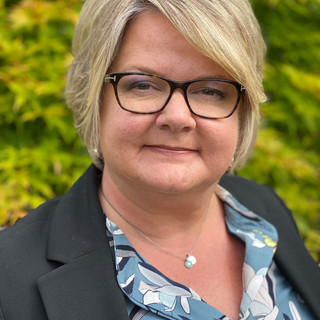
- Andrea Lucky
- Mar 2
- 3 min read

Every organization, whether they say it out loud or not, makes a fundamental choice about culture:
Do we build a company that values only the “rainmakers,” or do we build a company that values everyone who makes the business work?
It’s a defining decision. And it shows up everywhere: in hiring, in investment, in how leaders talk about teams, and in who gets credit when things go well (or blamed when they don’t).
The Myth of the Rainmaker-Only Culture
Many companies still operate under an outdated belief: “The people who bring in revenue matter most. Everyone else is replaceable.”
You see it in comments like:
“Anyone can do HR.”
“Back-office roles aren’t strategic.”
“We can just move someone into that job, it’s not that hard.”
And then leaders wonder why:
Processes break
Compliance issues surface
Culture deteriorates
Turnover spikes
Managers feel unsupported
Employees disengage
It’s not a mystery. It’s the predictable outcome of undervaluing the people who hold the organization together.
When Skill Sets Are Treated as Optional
One of the most damaging assumptions in business is that operational, administrative, and people-focused roles require less expertise.
So, companies rotate people into HR, payroll, recruiting, or operations “because they’re good with people” or “because they’ve been here a long time.”
Then they’re surprised when:
Hiring quality drops
Employee relations issues escalate
Leaders feel unprepared
Culture becomes inconsistent
Employees lose trust
Skill sets matter. Experience matters. And culture is built, or broken, by the people you empower to shape it.
The “No HR” Trend: A Symptom, not a Strategy
Recently, a post made the rounds from a founder proudly declaring she wants to build a company “without HR.” It’s easy to dismiss comments like that as clickbait, but they reveal something deeper: she likely hasn’t experienced HR as a strategic partner. She’s probably only seen HR teams that were under-resourced, under-skilled, or boxed into compliance-only roles.
Her conclusion is misguided, but it’s also feedback.
When organizations treat HR as an afterthought, they shouldn’t be surprised when people misunderstand its value.
Culture Is Built by the People You Invest In
If you want a culture that is:
High performing
Ethical
Inclusive
Innovative
Stable
Scalable
…you cannot build it by valuing only the people who generate revenue.
You build it by valuing:
The people who hire the talent
The people who develop the leaders
The people who manage the systems
The people who ensure compliance
The people who support employees
The people who keep the business running
Culture is not created by the loudest voices or the biggest revenue numbers. It’s created by the collective behaviors of everyone in the organization.
A Call to Leaders
If you want a culture that actually delivers; performance, retention, trust, and long-term stability, start by examining who you choose to value. Not in your mission statement, but in your decisions. Invest in the people who build the systems, support the teams, and shape the employee experience just as intentionally as you invest in the people who drive revenue.
Because culture isn’t created by accident. It’s created by design. And the leaders who choose to value everyone are the ones who build organizations that last.
About the Author
Andrea Lucky is the CEO | Founder of Silver Fern HR Consulting, a firm dedicated to transforming workplace cultures and driving strategic growth. With deep expertise in organizational transformation, talent strategy, and leadership development, Andrea partners with companies to align their people operations with their vision and business goals.
Known for her ability to shape cultures that inspire engagement and innovation, Andrea helps organizations navigate change, strengthen leadership effectiveness, and build workplaces that empower employees at every level. Her experience spans industries, with a strong focus on helping businesses create sustainable talent strategies that support long-term success.
With a keen eye for aligning strategy with impact, Andrea guides organizations in translating bold visions into actionable workforce solutions. Whether leading complex transformations or refining leadership frameworks, she is passionate about driving meaningful change that positions companies for lasting success.
Follow Andrea for insights on workplace culture, leadership, and the future of people strategy.


Comments