
From Burnout to Brilliance: Building Teams that Thrive, Not Survive

Burnout has become so common in today’s workplace that many leaders treat it as an unavoidable cost of doing business. But burnout isn’t inevitable, it’s informational. It tells us where systems are breaking down, where expectations are unclear, and where teams are operating without the support, clarity, or capability they need to succeed. The organizations that will thrive in 2026 are the ones that stop normalizing exhaustion and start designing teams that are built for sustainability, not survival.
Thriving teams don’t happen by accident. They are the result of intentional leadership, aligned expectations, and cultures that prioritize clarity, capability, and connection.
Burnout Isn’t a Personal Failure, It’s a System Failure
Too often, burnout is framed as an individual issue: someone needs better boundaries, better time management, better resilience. But burnout is rarely about personal shortcomings. It’s about organizational conditions.
Burnout thrives in environments where:
Roles are unclear
Workloads are reactive instead of planned
Managers lack the tools to lead effectively
Communication is inconsistent
Success is defined by output, not impact
When leaders address these systemic issues, burnout decreases, not because people work less, but because they work with clarity and purpose.
The Shift: From Managing Workload to Building Capacity for Excellence
Thriving teams aren’t the ones with the lightest workload. They’re the ones with the strongest foundation.
High‑performing, healthy teams share three core characteristics:
1. Clarity That Reduces Cognitive Load
Ambiguity is exhausting. When people don’t know what they’re responsible for, how decisions get made, or what “great” looks like, they spend more energy navigating uncertainty than doing meaningful work.
Clarity creates calm. Calm creates capacity.
2. Capability That Builds Confidence
Burnout often shows up when people feel unprepared, unsupported, or unequipped to meet expectations. Capability, not just skill, is what allows teams to operate with confidence.
This includes:
Decision‑making frameworks
Leadership development
Cross‑functional awareness
Tools and systems that reduce friction
When people feel capable, they feel energized.
3. Connection That Fuels Engagement
Humans don’t thrive in isolation. Teams that feel connected, to each other, to their leader, and to the mission, are more resilient, more collaborative, and more innovative.
Connection isn’t about forced fun. It’s about trust, communication, and shared purpose.
Why Thriving Teams Are a Strategic Advantage
Organizations with thriving teams experience:
Higher retention
Faster decision‑making
Stronger accountability
Better cross‑functional alignment
More innovation and problem‑solving
A culture that attracts top talent
Thriving teams don’t just feel better, they perform better.
How Leaders Can Build Teams That Thrive
This shift doesn’t require a complete overhaul. It requires intentional leadership and consistent habits.
Start with these steps:
1. Redesign Roles Around Outcomes, Not Tasks
People thrive when they understand the impact of their work. Outcome‑based roles create alignment and reduce unnecessary effort.
2. Equip Managers to Lead, Not Just Supervise
Managers are the heartbeat of team health. Investing in their capability pays dividends across the organization.
3. Normalize Rest, Not Heroics
Sustainable performance requires recovery. When leaders model healthy boundaries, teams follow.
4. Build Systems That Reduce Chaos
Clear processes, predictable communication, and aligned expectations reduce the friction that fuels burnout.
5. Celebrate Progress, Not Just Perfection
Thriving teams feel seen. Recognition reinforces momentum and strengthens culture.
The Bottom Line
Burnout is not a badge of honor. It’s a warning sign that the system needs attention.
Leaders who build teams that thrive; with clarity, capability, and connection, create organizations that are not only more resilient, but more innovative, more aligned, and more human.
In a world where exhaustion has become the norm, brilliance becomes a competitive advantage.
About the Author
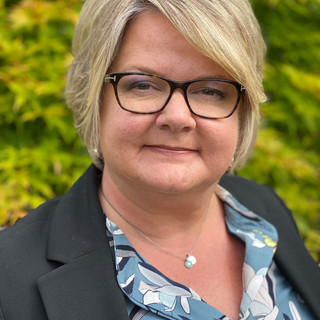
Andrea Lucky is the CEO | Founder of Silver Fern HR Consulting, a firm dedicated to transforming workplace cultures and driving strategic growth. With deep expertise in organizational transformation, talent strategy, and leadership development, Andrea partners with companies to align their people operations with their vision and business goals.
Known for her ability to shape cultures that inspire engagement and innovation, Andrea helps organizations navigate change, strengthen leadership effectiveness, and build workplaces that empower employees at every level. Her experience spans industries, with a strong focus on helping businesses create sustainable talent strategies that support long-term success.
With a keen eye for aligning strategy with impact, Andrea guides organizations in translating bold visions into actionable workforce solutions. Whether leading complex transformations or refining leadership frameworks, she is passionate about driving meaningful change that positions companies for lasting success.
Follow Andrea for insights on workplace culture, leadership, and the future of people strategy.


Comments