
Capability Over Capacity: Rethinking How You Build Teams
- Andrea Lucky
- Mar 16
- 3 min read

For years, organizations have been conditioned to believe that the solution to overwhelm is simple: add more people. More hands, more hours, more capacity. But in today’s environment, where complexity is rising faster than headcount can keep up, leaders are discovering a hard truth: you can’t hire your way out of a capability gap.
The real differentiator isn’t how many people you have. It’s what your people are capable of.
The Capacity Trap
When leaders focus solely on capacity, they often create short-term relief but long-term strain. Teams become larger but not necessarily more effective. Work gets redistributed, not redesigned. And the underlying issues: unclear roles, inconsistent leadership, outdated processes, or skill gaps; remain untouched.
The result is predictable:
More people doing work that still isn’t aligned
More confusion about ownership
More rework and bottlenecks
More burnout, not less
Capacity solves volume. Capability solves performance.
Why Capability Is the New Competitive Advantage
High-performing organizations are shifting their focus from “How many people do we need?” to “What must our people be able to do?” This mindset unlocks a different set of questions, ones that drive clarity, efficiency, and strategic growth.
When leaders prioritize capability, they:
Build teams that can adapt, not just execute
Reduce dependency on individual heroes
Strengthen decision-making at every level
Create scalable systems instead of patchwork fixes
Increase engagement because people understand expectations and feel equipped to meet them
Capability is what makes a team resilient, not just staffed.
The Four Capabilities Every Modern Team Needs
While technical skills matter, they’re no longer enough. Today’s most effective teams share four core capabilities:
1. Clarity of Role
People perform better when they know:
What they own
How success is measured
Where their work fits in the larger system
Ambiguity is the enemy of performance.
2. Decision-Making Confidence
Teams need frameworks, not guesswork. When employees understand how to make decisions, and when to escalate, work moves faster and with fewer errors.
3. Cross-Functional Fluency
Modern work is interconnected. Teams must understand how their decisions impact others and how to collaborate without creating bottlenecks.
4. Leadership at Every Level
Leadership isn’t a title, it’s a capability. Organizations that invest in manager development see stronger alignment, better communication, and fewer fires to put out.
Stop Adding People. Start Building Capability.
Before hiring, leaders should ask three questions:
Is this a capacity problem or a capability problem?
What skills, clarity, or systems are missing that would make the current team more effective?
If we add people, are we adding structure or adding complexity?
Often, the answer isn’t more headcount. It’s better alignment, stronger leadership, and clearer expectations.
The Bottom Line
Teams don’t become high-performing because they’re bigger. They become high-performing because they’re built with intention, with the right capabilities, the right clarity, and the right leadership.
In a world where talent is scarce and expectations are high, the organizations that win won’t be the ones with the largest teams. They’ll be the ones with the most capable ones.
About the Author
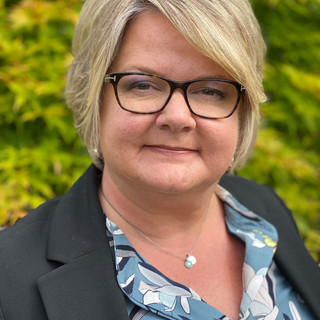
Andrea Lucky is the CEO | Founder of Silver Fern HR Consulting, a firm dedicated to transforming workplace cultures and driving strategic growth. With deep expertise in organizational transformation, talent strategy, and leadership development, Andrea partners with companies to align their people operations with their vision and business goals.
Known for her ability to shape cultures that inspire engagement and innovation, Andrea helps organizations navigate change, strengthen leadership effectiveness, and build workplaces that empower employees at every level. Her experience spans industries, with a strong focus on helping businesses create sustainable talent strategies that support long-term success.
With a keen eye for aligning strategy with impact, Andrea guides organizations in translating bold visions into actionable workforce solutions. Whether leading complex transformations or refining leadership frameworks, she is passionate about driving meaningful change that positions companies for lasting success.
Follow Andrea for insights on workplace culture, leadership, and the future of people strategy.


Comments