
Hiring Isn't A Headcount Game - It's a Strategy Play
- Andrea Lucky
- Jan 27
- 3 min read

What CFO's Need to Know about Aligning Talent Acquisition with Business Goals
For many organizations, hiring is still treated as a transactional process: open a role, post a job, fill the seat. But CFOs know better. Every hire is an investment decision, one that affects productivity, culture, risk, and long‑term enterprise value. When talent acquisition is disconnected from business strategy, companies end up with misaligned capabilities, inflated labor costs, and teams that struggle to execute. When it’s aligned, hiring becomes one of the most powerful levers for achieving strategic outcomes.
Why CFOs Should Care About Talent Acquisition
CFOs are uniquely positioned to elevate hiring from a reactive function to a strategic discipline. The financial implications are clear:
Mis‑hires are expensive, often costing 1.5–2x salary in lost productivity, turnover, and rework.
Under‑hiring slows execution, delaying revenue, innovation, and operational improvements.
Over‑hiring drains resources, creating unnecessary fixed costs and reducing agility.
Misaligned hiring creates capability gaps, forcing teams to compensate with overtime, burnout, or external consultants.
When hiring is strategic, every role added strengthens the organization’s ability to deliver on its goals.
Start With the Business Plan, Not the Org Chart
Strategic hiring begins with clarity:
What are the company’s top priorities for the next 12–36 months?
What capabilities are required to achieve them?
Where are the gaps - skills, leadership, capacity, or structure?
Which roles are mission‑critical, and which are “nice to have”?
CFOs can help translate strategic priorities into workforce needs, ensuring hiring decisions are grounded in financial reality and future‑state planning.
Define the ROI of Each Role
Every role should have a clear value proposition. CFOs can partner with HR and business leaders to define:
Expected outcomes the role must deliver
Metrics tied to performance and business impact
Time‑to‑value expectations
Risks of not filling the role
This shifts hiring conversations from “We need a person” to “We need a capability that drives X outcome.”
Build a Talent Acquisition Strategy That Mirrors Business Strategy
Hiring should reinforce, not compete with, strategic priorities. For example:
If growth is the goal, prioritize revenue‑generating and customer‑impact roles.
If operational excellence is the goal, hire for process, systems, and leadership capability.
If transformation is the goal, focus on change‑ready leaders and emerging skill sets.
CFOs can ensure hiring plans reflect the company’s financial model and strategic trajectory.
Strengthen the CFO | HR Partnership
The most effective organizations treat talent acquisition as a shared responsibility.
HR brings insight into talent markets, culture, and capability.
CFOs bring discipline, prioritization, and financial alignment.
Together, they create a hiring strategy that is both human‑centered and business‑driven.
The Bottom Line
Hiring isn’t about filling seats, it’s about building the capabilities your strategy requires. When CFOs view talent acquisition as a strategic investment rather than a cost, they unlock a more aligned, agile, and high‑performing organization. The companies that win aren’t the ones with the biggest teams, they’re the ones with the right people in the right roles at the right time.
About the Author
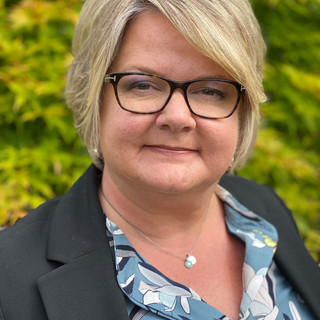
Andrea Lucky is the CEO | Founder of Silver Fern HR Consulting, a firm dedicated to transforming workplace cultures and driving strategic growth. With deep expertise in organizational transformation, talent strategy, and leadership development, Andrea partners with companies to align their people operations with their vision and business goals.
Known for her ability to shape cultures that inspire engagement and innovation, Andrea helps organizations navigate change, strengthen leadership effectiveness, and build workplaces that empower employees at every level. Her experience spans industries, with a strong focus on helping businesses create sustainable talent strategies that support long-term success.
With a keen eye for aligning strategy with impact, Andrea guides organizations in translating bold visions into actionable workforce solutions. Whether leading complex transformations or refining leadership frameworks, she is passionate about driving meaningful change that positions companies for lasting success.
Follow Andrea for insights on workplace culture, leadership, and the future of people strategy.


Comments