
Compliance as a Culture Builder, Not a Box-Checking Exercise
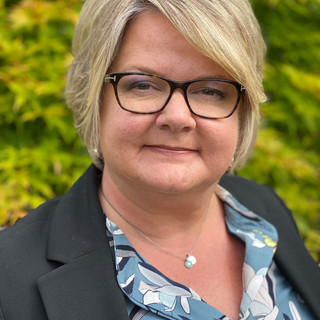
- Andrea Lucky
- Mar 9
- 3 min read

For many leaders, the word compliance still triggers a familiar reaction: paperwork, policies, audits, and the looming fear of getting something wrong. It’s no wonder compliance is often treated as a necessary burden rather than a strategic advantage. But in 2026, organizations that still see compliance as a box‑checking exercise are missing the bigger opportunity, one that directly shapes culture, trust, and long‑term resilience.
Compliance isn’t just about avoiding risk. It’s about defining who you are as an organization.
The Mindset Shift: From Policing to Empowering
When compliance is framed as “rules to follow,” employees disengage. They do the minimum. They wait to be corrected. They see compliance as something that happens to them, not something they participate in.
But when compliance is framed as a shared commitment to fairness, clarity, and accountability, everything changes.
Leaders who make this shift:
Build psychological safety by ensuring expectations are transparent and consistent
Strengthen trust by applying policies equitably
Reduce rework and conflict because people know what “good” looks like
Create a culture where employees feel protected, not policed
Compliance becomes a tool for empowerment, not enforcement.
Why Compliance Is a Culture Signal
Every compliance decision sends a message about what the organization values.
Clear job descriptions signal respect for role clarity and boundaries.
Consistent performance processes signal fairness and accountability.
Thoughtful leave and accommodation practices signal empathy and humanity.
Documented expectations for managers signal that leadership is a responsibility, not a title.
When these systems are strong, employees feel the difference. They experience the organization as stable, predictable, and principled - the foundation of any healthy culture.
The Cost of Treating Compliance as a Checklist
Organizations that treat compliance as a reactive, administrative task often experience the same patterns:
Managers make inconsistent decisions that erode trust
Employees escalate issues because they don’t know where to turn
Leaders spend more time cleaning up problems than preventing them
Culture becomes dependent on personalities instead of systems
In other words: the absence of compliance creates chaos.
Building a Culture‑Forward Compliance Strategy
Leaders who want to elevate compliance from “have to” to “want to” can start with three practical shifts:
1. Make Compliance Understandable
Policies shouldn’t read like legal briefs. They should be written in human language, with clear examples and practical guidance. When people understand the “why,” they follow the “what.”
2. Train Managers as Culture Carriers
Managers are the front line of compliance. Equip them with:
Scenario‑based training
Clear decision‑making frameworks
Scripts for difficult conversations
A safe place to ask questions before issues escalate
When managers feel confident, employees feel supported.
3. Integrate Compliance Into Everyday Leadership
Compliance shouldn’t live in a binder or a SharePoint folder. It should show up in:
Onboarding
Team meetings
Performance conversations
Leadership development
Values and behavior expectations
When compliance becomes part of the rhythm of the organization, it stops feeling like a separate task.
The Bottom Line
Compliance done well is culture work. It reinforces values, strengthens trust, and creates the conditions where people can do their best work. It’s not about checking boxes, it’s about building a workplace where clarity, fairness, and accountability are the norm.
In a world where talent expectations are rising and organizational risk is more complex than ever, leaders who embrace compliance as a culture builder will be the ones who create workplaces that are not only legally sound, but deeply human.
About the Author
Andrea Lucky is the CEO | Founder of Silver Fern HR Consulting, a firm dedicated to transforming workplace cultures and driving strategic growth. With deep expertise in organizational transformation, talent strategy, and leadership development, Andrea partners with companies to align their people operations with their vision and business goals.
Known for her ability to shape cultures that inspire engagement and innovation, Andrea helps organizations navigate change, strengthen leadership effectiveness, and build workplaces that empower employees at every level. Her experience spans industries, with a strong focus on helping businesses create sustainable talent strategies that support long-term success.
With a keen eye for aligning strategy with impact, Andrea guides organizations in translating bold visions into actionable workforce solutions. Whether leading complex transformations or refining leadership frameworks, she is passionate about driving meaningful change that positions companies for lasting success.
Follow Andrea for insights on workplace culture, leadership, and the future of people strategy.


Comments