
Succession Planning Isn't Just for Big Companies

How Small and Mid-Size Firms Can Build Leadership Pipelines Without Bureaucracy
When most leaders hear “succession planning,” they picture Fortune 500 companies with layers of hierarchy, binders of policies, and endless committee meetings. But here’s the truth: succession planning is not a luxury reserved for big corporations—it’s a necessity for every organization that wants to thrive beyond the tenure of its current leaders.
For small and mid-size firms, the stakes are even higher. A single leadership transition can make or break the business. Yet many hesitate to plan ahead, fearing that succession planning will introduce bureaucracy, slow decision-making, or feel too “corporate.” The reality is that effective succession planning in smaller organizations looks very different—it’s lean, practical, and deeply human.
Why Succession Planning Matters for Smaller Firms
Continuity of vision: Protecting the mission and values that drive the business.
Client confidence: Demonstrating stability to customers, investors, and partners.
Employee engagement: Showing team members that growth opportunities exist internally.
Risk management: Reducing vulnerability when unexpected departures occur.
How to Build a Pipeline Without Bureaucracy
Start with clarity: Define the critical roles that sustain your business and the skills they require.
Spot potential early: Look for employees who show curiosity, adaptability, and values alignment—not just technical expertise.
Invest in development: Provide stretch assignments, mentoring, and leadership exposure rather than formalized programs.
Document lightly: Capture key processes and responsibilities in simple, accessible formats.
Communicate openly: Share the vision for leadership growth so employees see a future for themselves in the company.
Succession planning doesn’t have to be a bureaucratic exercise. For smaller firms, it’s about cultivating readiness—ensuring that when leadership changes, the organization doesn’t lose momentum. By focusing on clarity, development, and values-driven alignment, small and mid-size businesses can build leadership pipelines that are agile, authentic, and sustainable.
The payoff? A resilient organization where leadership transitions feel less like a crisis and more like a natural evolution.
About the Author
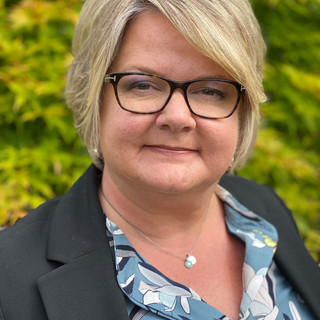
Andrea Lucky is the CEO | Founder of Silver Fern HR Consulting, a firm dedicated to transforming workplace cultures and driving strategic growth. With deep expertise in organizational transformation, talent strategy, and leadership development, Andrea partners with companies to align their people operations with their vision and business goals.
Known for her ability to shape cultures that inspire engagement and innovation, Andrea helps organizations navigate change, strengthen leadership effectiveness, and build workplaces that empower employees at every level. Her experience spans industries, with a strong focus on helping businesses create sustainable talent strategies that support long-term success.
With a keen eye for aligning strategy with impact, Andrea guides organizations in translating bold visions into actionable workforce solutions. Whether leading complex transformations or refining leadership frameworks, she is passionate about driving meaningful change that positions companies for lasting success.
Follow Andrea for insights on workplace culture, leadership, and the future of people strategy.


Comments