
Total Rewards, Total Alignment: How to Design Compensation and Benefits That Actually Support Business Strategy

Most organizations say their people are their greatest asset. Fewer design compensation and benefits in a way that truly reflects that belief. Too often, total rewards become a patchwork of legacy practices, market adjustments, and well‑intended perks, none of which clearly connect to the company’s strategic priorities. The result? Confusion, inequity, disengagement, and missed opportunities to reinforce the behaviors and outcomes the business actually needs.
Total rewards should be more than a cost center. When intentionally designed, they become one of the most powerful alignment tools a leadership team has; shaping culture, driving performance, and strengthening retention in ways that directly support long‑term business goals.
Start With Strategy, Not Spreadsheets
Before benchmarking salaries or refreshing benefits, leaders must answer a foundational question: What does our business need to achieve in the next 1–3 years? From there, total rewards design becomes a strategic exercise:
If growth is the priority, rewards should reinforce innovation, speed, and capability building.
If stability is the priority, rewards should emphasize consistency, retention, and operational excellence.
If transformation is the priority, rewards should support new skills, new behaviors, and new leadership expectations.
Compensation should never be designed in a vacuum. It should be a direct reflection of where the business is going.
Build a Compensation Philosophy That Guides Decisions
A clear, well‑communicated compensation philosophy eliminates guesswork and ensures consistency. It should define:
How you compete in the market (lead, lag, or match).
How you differentiate pay (skills, performance, impact, or potential).
How you balance fixed vs. variable compensation.
How you ensure equity and fairness across roles and teams.
This philosophy becomes the backbone of every pay decision, transparent, principled, and aligned with organizational values.
Benefits That Reinforce Culture and Capability
Benefits are often treated as a menu of offerings rather than a strategic lever. But the right benefits can strengthen the culture you’re trying to build:
Well‑being benefits support resilience and reduce burnout.
Learning and development benefits accelerate capability growth.
Flexible work options reinforce trust and autonomy.
Family‑supportive benefits strengthen loyalty and retention.
When benefits reflect what your culture stands for, employees feel it - and they stay.
Incentives That Drive the Right Behaviors
Incentive plans should be simple, measurable, and directly tied to business outcomes. The most effective plans:
Reward what matters most, not everything at once.
Balance individual and team performance, depending on your operating model.
Create line of sight, so employees understand how their work impacts results.
Avoid unintended consequences, like unhealthy competition or short‑term thinking.
If incentives don’t reinforce the behaviors you want, they’re working against you.
Communication: The Missing Link
Even the best‑designed total rewards strategy fails without clear communication. Employees need to understand:
What the company values
How decisions are made
How they can grow and increase their earning potential
How rewards connect to business goals
Transparency builds trust. Trust builds engagement. Engagement drives performance.
The Bottom Line
Total rewards are not just HR programs, they are strategic tools. When aligned with business priorities, they shape culture, strengthen capability, and create a workforce that is motivated, supported, and ready to deliver on the company’s goals. Total rewards done well don’t just compensate people, they propel the business forward.
About the Author
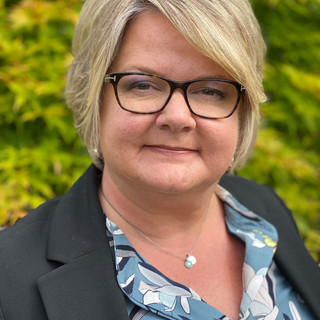
Andrea Lucky is the CEO | Founder of Silver Fern HR Consulting, a firm dedicated to transforming workplace cultures and driving strategic growth. With deep expertise in organizational transformation, talent strategy, and leadership development, Andrea partners with companies to align their people operations with their vision and business goals.
Known for her ability to shape cultures that inspire engagement and innovation, Andrea helps organizations navigate change, strengthen leadership effectiveness, and build workplaces that empower employees at every level. Her experience spans industries, with a strong focus on helping businesses create sustainable talent strategies that support long-term success.
With a keen eye for aligning strategy with impact, Andrea guides organizations in translating bold visions into actionable workforce solutions. Whether leading complex transformations or refining leadership frameworks, she is passionate about driving meaningful change that positions companies for lasting success.
Follow Andrea for insights on workplace culture, leadership, and the future of people strategy.


Comments