
The Leadership Reset: What Modern Executives Must Unlearn in 2026

Why yesterday’s playbook is holding today’s leaders back
For decades, leadership success was defined by decisiveness, control, and expertise. But the world of work has shifted, permanently. In 2026, the leaders who thrive aren’t the ones who know the most or direct the hardest. They are the ones who can unlearn outdated habits, challenge long‑held assumptions, and build cultures where people and strategy move in the same direction. The leadership reset isn’t about adding more skills to an already full plate; it’s about letting go of the patterns that no longer serve the business.
Unlearning #1: Control as a Substitute for Accountability
Traditional leadership rewarded tight oversight. But in today’s environment, distributed teams, rapid change, and complex decision cycles, control slows execution. Modern leaders must unlearn the instinct to manage every detail and instead:
Build clarity around outcomes
Empower teams with autonomy
Create systems of trust, not surveillance
Accountability grows when people feel ownership, not pressure.
Unlearning #2: Expertise as the Primary Source of Authority
Executives once rose through the ranks by being the smartest person in the room. But expertise ages quickly, and complexity outpaces individual knowledge. Leaders now win by:
Asking better questions
Facilitating cross‑functional thinking
Creating space for diverse perspectives
Authority comes from enabling intelligence, not embodying it.
Unlearning #3: Speed Over Sustainability
For years, leaders were rewarded for moving fast, launching, scaling, and reacting. But speed without intention leads to burnout, rework, and cultural erosion. The reset requires leaders to:
Prioritize clarity before action
Build capacity, not just velocity
Protect the energy and well‑being of their teams
Sustainable pace is now a competitive advantage.
Unlearning #4: Hiring for “Fit”
The old model favored familiarity, people who looked, thought, and worked like the existing team. But sameness limits innovation and resilience. Modern leaders must unlearn the comfort of fit and embrace:
Culture add over culture fit
Skills and perspectives that challenge the status quo
Talent that expands what the organization is capable of
Diversity of thought is now a strategic asset.
Unlearning #5: Communication as Information Sharing
Executives used to communicate to inform. Today, communication is how leaders build alignment, trust, and momentum. The shift requires leaders to:
Communicate early, often, and transparently
Share the “why,” not just the “what”
Listen as actively as they speak (Listen to hear, not to speak)
Communication is no longer a task; it’s a leadership discipline.
Unlearning #6: Development as a Perk
In the past, development was offered to a select few or treated as a reward. But in 2026, capability building is essential to organizational readiness. Leaders must unlearn the idea that development is optional and instead:
Embed learning into everyday work
Coach consistently, not occasionally
Build pipelines that prepare people for what’s next
A learning culture is the backbone of a resilient organization.
The Bottom Line
The leadership reset isn’t about abandoning what made leaders successful, it’s about evolving to meet the demands of a new era. The executives who thrive in 2026 will be those who release outdated habits, embrace new ways of thinking, and lead with clarity, humility, and intention. Unlearning is no longer a personal growth exercise; it’s a strategic imperative.
About the Author
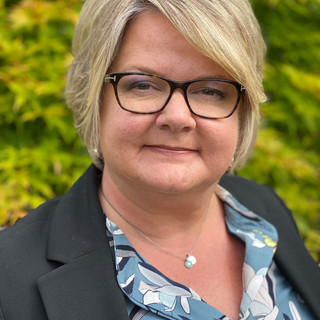
Andrea Lucky is the CEO | Founder of Silver Fern HR Consulting, a firm dedicated to transforming workplace cultures and driving strategic growth. With deep expertise in organizational transformation, talent strategy, and leadership development, Andrea partners with companies to align their people operations with their vision and business goals.
Known for her ability to shape cultures that inspire engagement and innovation, Andrea helps organizations navigate change, strengthen leadership effectiveness, and build workplaces that empower employees at every level. Her experience spans industries, with a strong focus on helping businesses create sustainable talent strategies that support long-term success.
With a keen eye for aligning strategy with impact, Andrea guides organizations in translating bold visions into actionable workforce solutions. Whether leading complex transformations or refining leadership frameworks, she is passionate about driving meaningful change that positions companies for lasting success.
Follow Andrea for insights on workplace culture, leadership, and the future of people strategy.


Comments